〇お知らせ〇
同じ内容をインスタグラム「不二聖心女子学院フィールド日記」(クリックするとインスタグラムのページが開きます)にも投稿しています。より高画質な写真を載せていますのでぜひフォローしてください。

フィールド日記

種子植物

2026.03.20

スズメノカタビラ

 お茶畑の周りでスズメノカタビラが咲いています。道端や芝生に混じって生えるイネ科の一年草です。和名の「スズメ」は全体が小さいことを示し、「カタビラ」は薄い着物のことで、花の形が着物の合わせの部分に似ていることに由来します。

"Suzume-No-Katabira" plants are in bloom by the tea garden. They are annual grasses in the
Poaceae family that grow along roadsides and among other grasses. The name "Suzume" (sparrow) refers to their small size, while "Katabira", which means a thin kimono, comes from the way their flowers resemble overlapping kimono collars.

2026.03.17

ヒメオドリコソウ

 お茶畑のわきでヒメオドリコソウが咲いています。ヨーロッパ原産のシソ科の越年草です。ほぼ全国に分布し、北アメリカや東アジアにも帰化しています。

"Hime-Odorikosou" plants are in bloom by the tea garden. They are winter annual plants in the Lamiaceae family that originally came from Europe. Today they can be found almost everywhere in Japan and have also become naturalized in many parts of Europe and East Asia.

2026.03.13

ヘビイチゴ

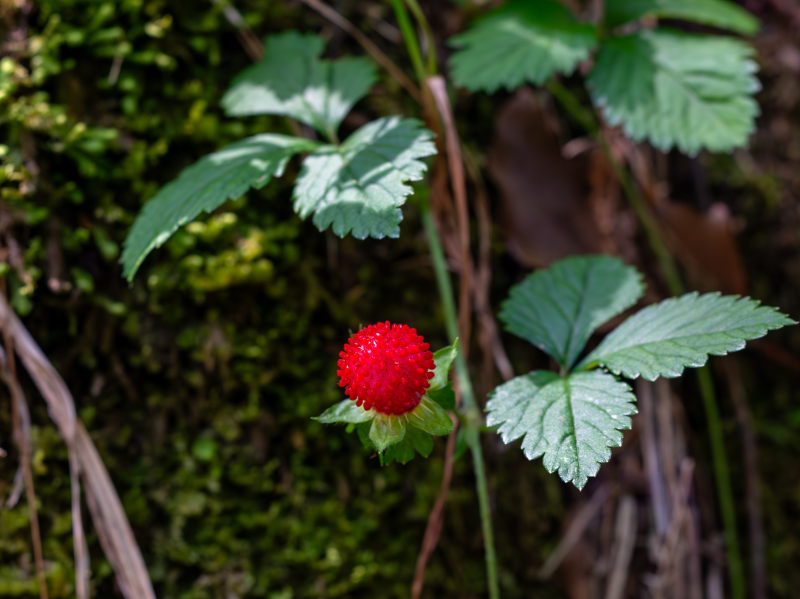
「共生の森」の近くでヘビイチゴが咲いています。落葉樹林の林床や草地に生えるバラ科の多年草です。普通種ですが、近縁のヤブヘビイチゴやその雑種と紛らわしい個体もあるので注意が必要です。
"Hebiichigo" plants are in bloom near the "Kyosei-Forest (共生の森)." They are perennial plants in the Rosaceae family that grow on the floors of deciduous forests and in grasslands. Although this species is quite common, care is needed when identifying it because some individuals closely resemble a relative species called "Yabu-Hebiichigo," as well as hybrids between the two.

2026.03.10

キジムシロ

 クヌギ林の林床でキジムシロが咲いています。草地や明るい林床に生えるバラ科の多年草です。不二聖心では2月中から咲き始めます。和名は、花の後に放射状に広がる葉を、雉(きじ)が休む筵(むしろ:わらなどを編んで作った敷物)に例えたものです。

“Kijimushiro” plants are in bloom on the forest floor of the Japanese chestnut oak woodland. They are perennial plants in the Rosaceae family that grow in grasslands and on bright forest floors. On our campus, they start to bloom in February. The name means “pheasant's straw mat” and comes from the shape of leaves that spread outward radially after their flowering period.

2026.03.03

ヒメウズ

聖心坂でヒメウズが咲いています。道端などに生えるキンポウゲ科の多年草です。和名のウズはトリカブトを意味し、葉や果実がトリカブトに似ていていることに由来します。


"Hime-Uzu" plants are in bloom along the "Seishin Zaka." They are perennial plants in the Ranunculaceae family that are commonly found growing along roadsides. The name "Uzu" refers to a plant called "Torikabuto," as the leaves and fruits of “Hime-Uzu” resemble those of that plant.

2026.02.06

ナツミカン

 ナツミカンの実がなっています。果実は晩秋から黄色く色づきますが、まだ酸味が強いのでこのまま初夏まで待ってから収穫します。たくさん実をつける表年と少ない裏年を交互に繰り返す性質があると言われますが、今年は表年のようです。

A "Natsu-Mikan" tree is now bearing fruits. Their fruit starts to turn yellow in late fall, but it remains too sour at that time, so we wait until early summer to harvest it. The tree has on-years, when it produces a large amount of fruit, and off-years, when production is low. These alternate from year to year. This year appears to be an on-year.

2026.01.20

オオアブラギリ

オオアブラギリの冬芽と果実が見られます。トウダイグサ科の落葉高木です。中国原産で、種子から油を取るために栽培されていたものが野生化しています。近縁のアブラギリの果実の先端が丸いのに対し、先端がとがっているのが特徴です。
 
You can find the winter buds and the fruits of the "Oo-Aburagiri" tree. It is a deciduous tree in the Euphorbiaceae family. They originally come from China and were once cultivated for their oil and later spread into the wild. While the fruit of their close relatives, called "Aburagiri," has a rounded tip, the fruit of this species has a pointed tip.

2026.01.16

コクラン

コクランが果実をつけていました。林床に生えるラン科の多年草です。果実の中にはホコリのように細かい種子がたくさん入っており、風によって飛ばされます。
"Kokuran" plants are now bearing fruit. They are perennial orchids that grow on forest floors. Their fruits contain many dust-like tiny seeds, which are dispersed by the wind.

2026.01.13

クサギ

クサギの冬芽と葉痕が見られます。シソ科の落葉高木です。冬芽は芽鱗(がりん)に覆われていない裸芽(らが)で、紫褐色の毛におおわれています。葉が落ちたあとの葉痕はひづめのような形をしています。
You can find the winter buds and leaf scars of "Kusagi" trees. They are deciduous species in the Lamiaceae family. Their winter buds are naked, meaning they are not covered with bud scales, and they have deep purple hairs. Their leaf scars, which are the marks after the leaves have fallen, are shaped like a hoof.

2026.01.06

フヨウ

フヨウの果実が熟していました。アオイ科の落葉低木です。果実は割れて、中の種子が見えています。種子には毛が生えており、風によって運ばれるようです。

The fruits of "Fuyou" trees have ripened. They are deciduous shrubs in the Malvaceae family. The seeds are visible as the fruits split open. They are covered with fine hairs, which allow them to be carried by the wind.