フィールド日記

菌類
2026.08.14
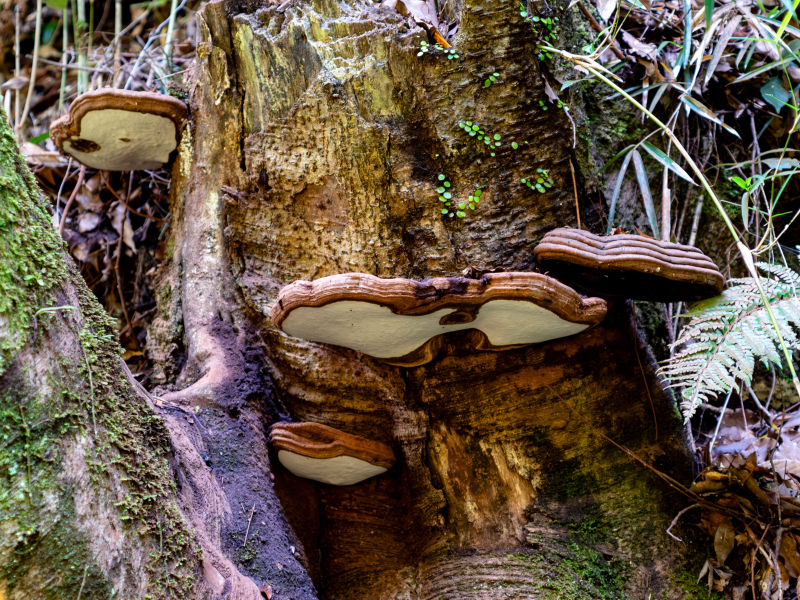
コフキサルノコシカケ
2026.07.24
ヒナツチガキ
聖心坂でヒナツチガキが発生していました。夏から晩秋にかけて林内の落葉上に発生するキノコの仲間です。袋状の球体の中に胞子が入っており、雨粒が当たったときなどの衝撃で中心の穴から出て来ると考えられています。
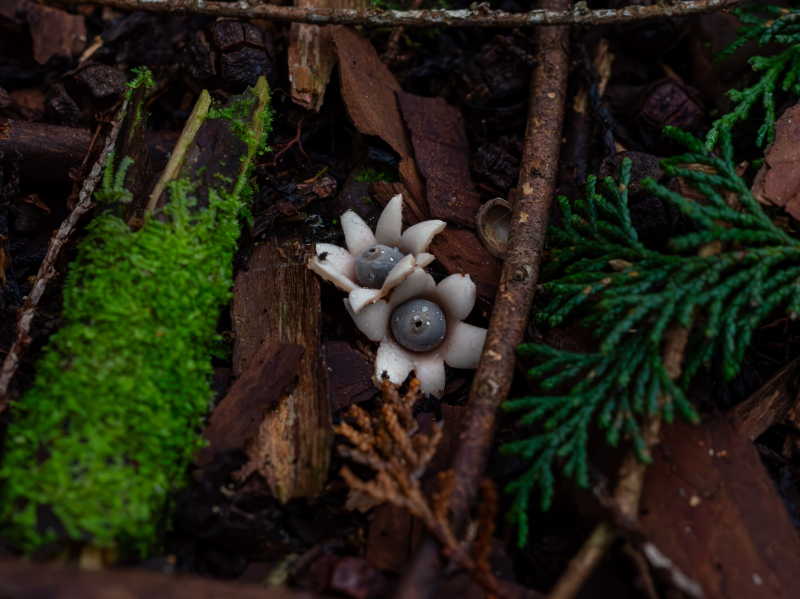
"Hina-Tsuchigaki" mushrooms are growing along "Seishin Zaka." They can be found from summer through late fall among fallen leaves on the forest floor. Their sac-bearing body is enclosed in a small, sac-like sphere. When raindrops strike the opening at the top,the impact releases a puff of spores into the air.
2026.07.14
カレバキツネタケ
共生の森にカレバキツネタケが生えています。夏から秋に広葉樹林に見られるキノコです。傘の中央がくぼみ、よく目立つ溝線があるのが特徴です。また、湿っているときは紫色を帯びます。
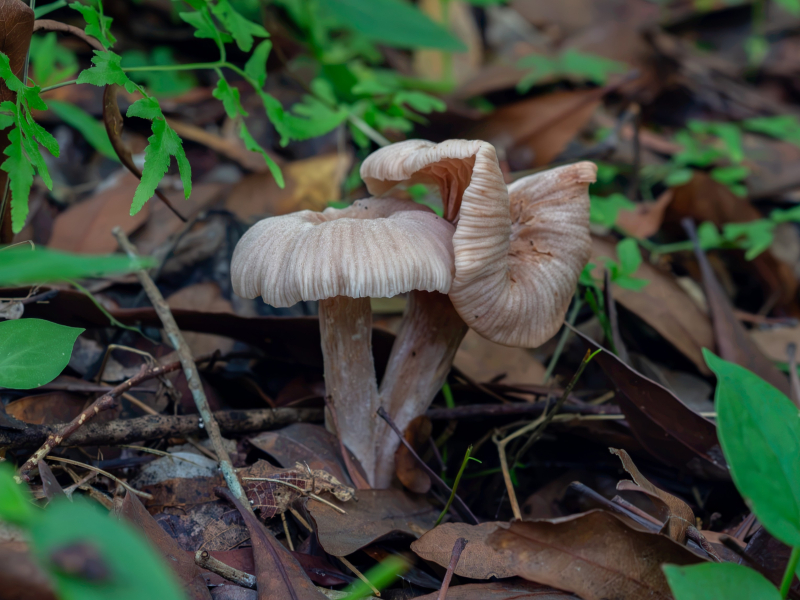
"Kareba-Kitsunetake" mushrooms are growing in the "Kyosei-Forest (共生の森)." They can be found from summer to fall in broadleaf forests. Their caps have distinctive grooves with a depressed, navel-like center. When moist, the fruiting bodies develop a purplish tinge.
2026.07.10
コイヌノエフデ
ヒノキ林の林縁にコイヌノエフデが生えていました。梅雨から夏にかけて林内で見られるキノコです。木片の焦げる匂いがするといいますが、すでににおいを放つ粘液(グレバ)が流れてしまっていたのか、よくわかりませんでした。
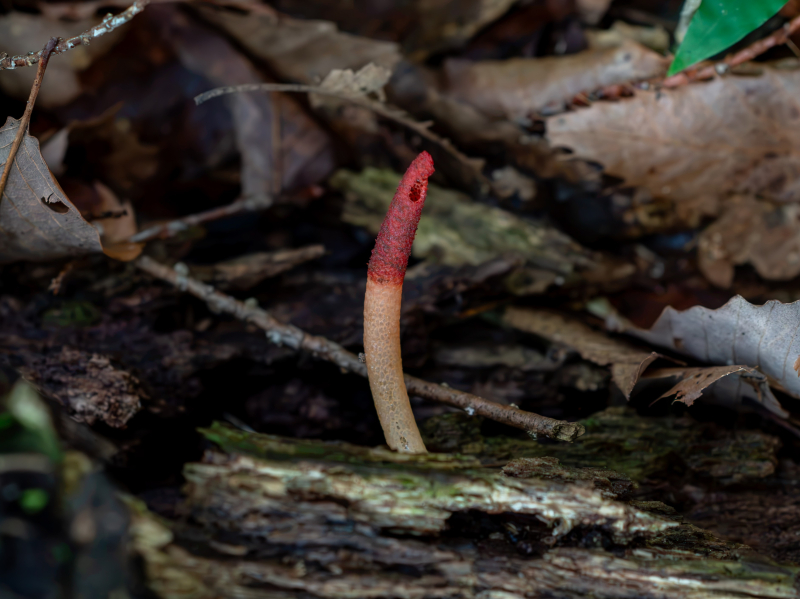
"Koinuno-Efude" mushrooms are growing along the edge of the Japanese cypress woodland. They typically appear from the rainy season to summer in woodlands. It's said that they smell like burnt wood, but this one had no noticeable odor. The slimy spore mass, which produces the smell, had probably been washed away by the rain.
2026.07.07
ハナサナギタケ
裏道でハナサナギタケが発生していました。蛾のサナギに寄生する菌類で、いわゆる冬虫夏草と呼ばれる仲間です。雑木林で最も普通に目にする冬虫夏草のひとつのようです。
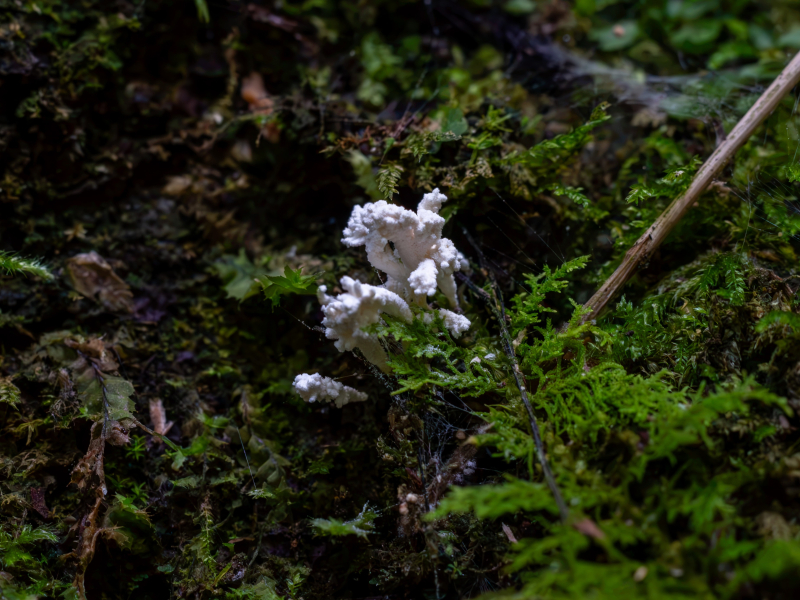
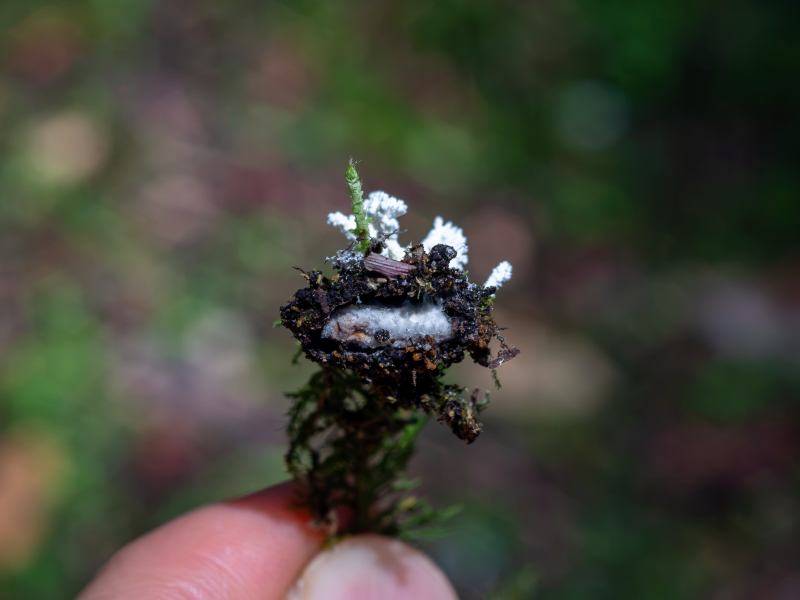
“Hana-Sanagitake" mushrooms have sprouted along the back road. They are a type of parasitic fungus that grows on the pupa of moths and are considered a species of caterpillar fungus. They are one of the most common caterpillar fungus in mixed woodlands.
2026.06.30
タマゴタケ
クヌギ林にタマゴタケが生えていました。夏から秋にかけて樹林下に生えるキノコで、基部に白色のつぼがあることや、傘の周辺部に条線があるのが特徴です。鮮やかなオレンジ色でとても目立っていました。
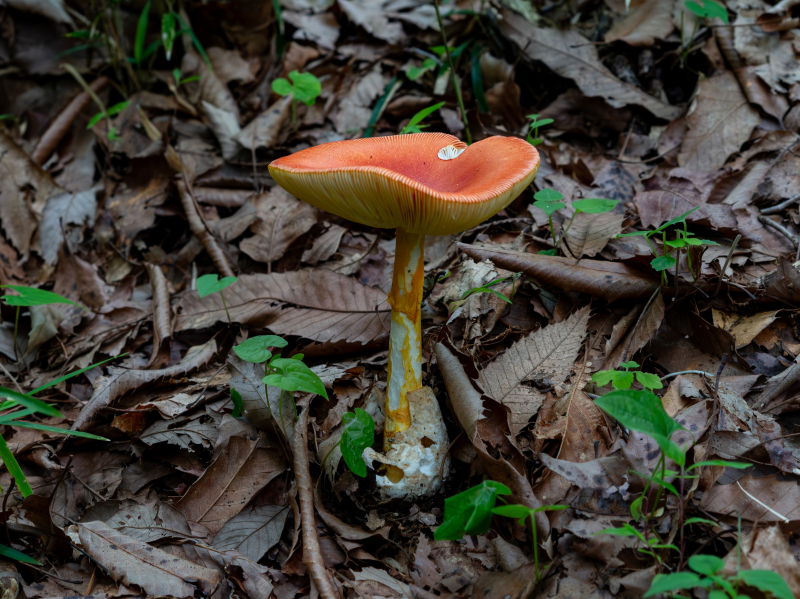
"Tamagotake" mushrooms are growing in the Japanese chestnut oak woodland. They appear from summer to fall on woodlands. They have white volva at the base of the stem and distinct striations along the edge of the cap. Their bright orange caps make them easy to spot.
2026.04.21
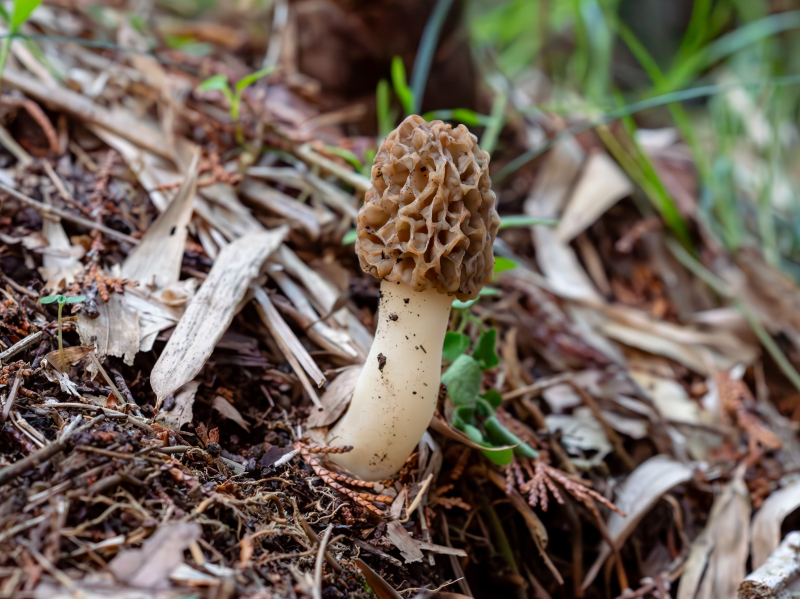
アミガサタケ
竹林にアミガサタケが生えていました。春に発生する傘の網目模様が特徴的なキノコです。フランスではモリーユと呼ばれ、高級食材として有名です。
2026.04.10
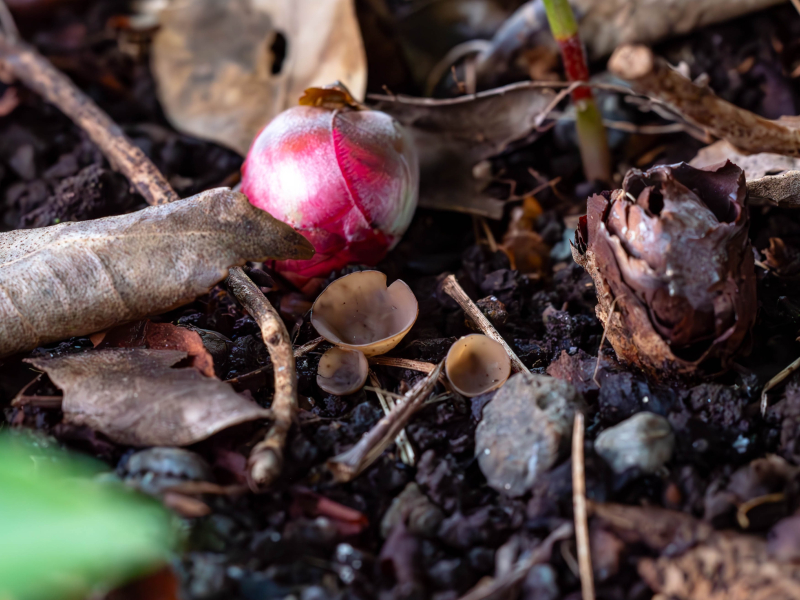
ツバキキンカクチャワンタケ
ツバキの木の根元にツバキキンカクチャワンタケが発生していました。春にツバキの花が咲くころ発生するキノコの仲間です。胞子は近くに落ちたツバキの花の上で発芽し、花を分解して生長します。その後、菌核を作り冬を越して、翌春のツバキの花が咲くころにまたキノコを作ります。
2026.04.07
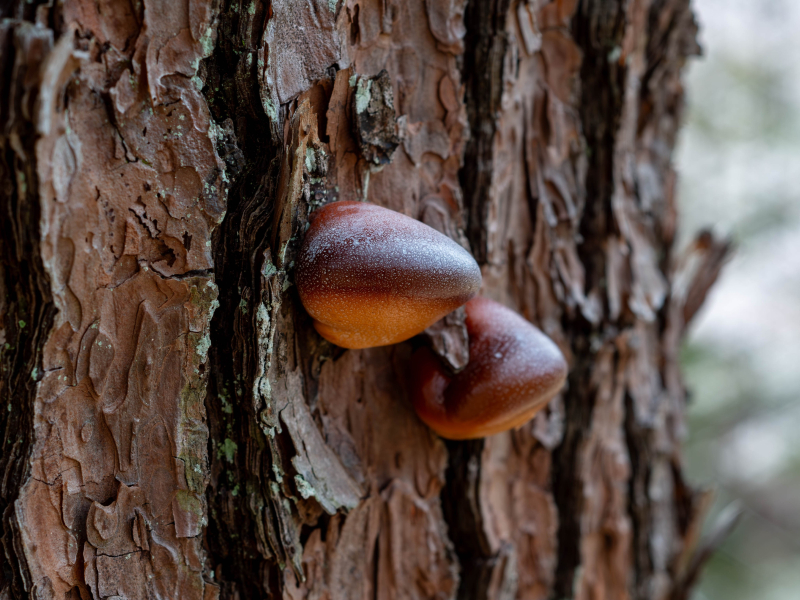
ヒトクチタケ
2026.03.27
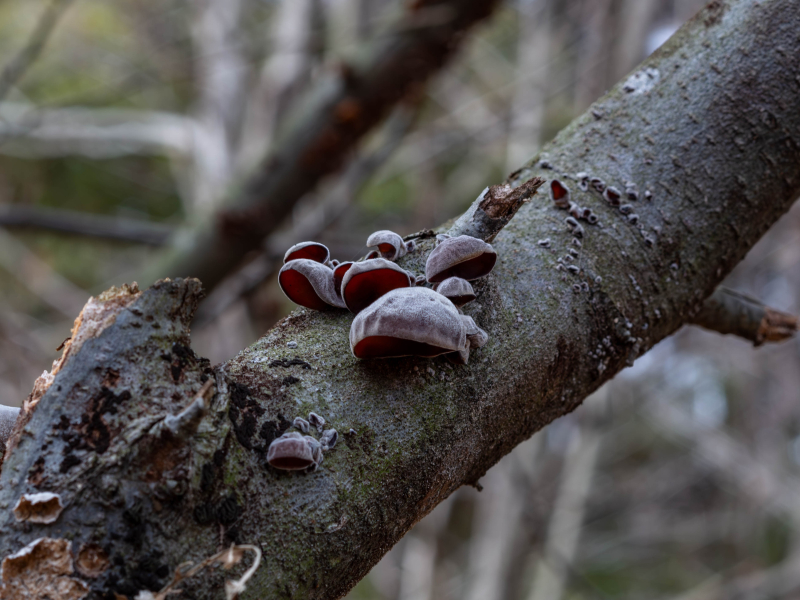
アラゲキクラゲ
「共生の森」でアラゲキクラゲが発生していました。広葉樹に生えるキノコの一種です。キクラゲと似ていますが、表面に白い毛が生えています。キクラゲとして売られているものの多くはアラゲキクラゲと言われています。
- 1 / 4
- »