<?xml version="1.0" encoding="UTF-8" ?>

<rdf:RDF
 xmlns="http://purl.org/rss/1.0/"
 xmlns:rdf="http://www.w3.org/1999/02/22-rdf-syntax-ns#"
 xmlns:dc="http://purl.org/dc/elements/1.1/"
 xmlns:content="http://purl.org/rss/1.0/modules/content/"
 xml:lang="ja"
>

<channel rdf:about="https://www.fujiseishin-jh.ed.jp/field_diary/feed/rss10/">
<title>不二聖心女子学院　中学校・高等学校 フィールド日記</title>
<link>https://www.fujiseishin-jh.ed.jp/field_diary/</link>
<description>フィールド日記</description>
<dc:language>ja</dc:language>
<dc:date>2026-05-22T22:10:22+09:00</dc:date>
<items>
<rdf:Seq>
<rdf:li rdf:resource="https://www.fujiseishin-jh.ed.jp/field_diary/2026/05/25589/" />
<rdf:li rdf:resource="https://www.fujiseishin-jh.ed.jp/field_diary/2026/05/25587/" />
<rdf:li rdf:resource="https://www.fujiseishin-jh.ed.jp/field_diary/2026/05/25583/" />
<rdf:li rdf:resource="https://www.fujiseishin-jh.ed.jp/field_diary/2026/05/25577/" />
<rdf:li rdf:resource="https://www.fujiseishin-jh.ed.jp/field_diary/2026/05/25570/" />
<rdf:li rdf:resource="https://www.fujiseishin-jh.ed.jp/field_diary/2026/05/25563/" />
<rdf:li rdf:resource="https://www.fujiseishin-jh.ed.jp/field_diary/2026/05/25556/" />
<rdf:li rdf:resource="https://www.fujiseishin-jh.ed.jp/field_diary/2026/04/25552/" />
<rdf:li rdf:resource="https://www.fujiseishin-jh.ed.jp/field_diary/2026/04/25550/" />
<rdf:li rdf:resource="https://www.fujiseishin-jh.ed.jp/field_diary/2026/04/25545/" />
<rdf:li rdf:resource="https://www.fujiseishin-jh.ed.jp/field_diary/2026/04/25540/" />
<rdf:li rdf:resource="https://www.fujiseishin-jh.ed.jp/field_diary/2026/04/25539/" />
<rdf:li rdf:resource="https://www.fujiseishin-jh.ed.jp/field_diary/2026/04/25536/" />
<rdf:li rdf:resource="https://www.fujiseishin-jh.ed.jp/field_diary/2026/04/25529/" />
<rdf:li rdf:resource="https://www.fujiseishin-jh.ed.jp/field_diary/2026/04/25526/" />
<rdf:li rdf:resource="https://www.fujiseishin-jh.ed.jp/field_diary/2026/03/25522/" />
<rdf:li rdf:resource="https://www.fujiseishin-jh.ed.jp/field_diary/2026/03/25521/" />
<rdf:li rdf:resource="https://www.fujiseishin-jh.ed.jp/field_diary/2026/03/25518/" />
<rdf:li rdf:resource="https://www.fujiseishin-jh.ed.jp/field_diary/2026/03/25514/" />
<rdf:li rdf:resource="https://www.fujiseishin-jh.ed.jp/field_diary/2026/03/25510/" />
</rdf:Seq>
</items>
</channel>

<item rdf:about="https://www.fujiseishin-jh.ed.jp/field_diary/2026/05/25589/">
<title>ユウゲショウ</title>
<link>https://www.fujiseishin-jh.ed.jp/field_diary/2026/05/25589/</link>
<description>ユウゲショウが咲いています。アカバナ科の多年草で、アメリカ大陸原産の帰化植物です。人里周辺で広く見られます。和名は夕方に開花することに由来するといわれますが、実際には日中から咲いています。


&#34;Yuugeshou&#34; plants are in bloom. They are perennial plants in the Onagraceae that originally come from the Americas. They commonly grow near human dwellings. Their Japanese name comes from the fact that they are said to bloom in the evening, but actually, their flowers are often already open in the morning.</description>
<dc:creator></dc:creator>
<dc:subject></dc:subject>
<dc:date>2026-05-22T14:10:00+09:00</dc:date>
<content:encoded><![CDATA[
<div id="cms-editor-minieditor-sin177934044925094500" class="cms-content-parts-sin177934044925105300"><div>ユウゲショウが咲いています。アカバナ科の多年草で、アメリカ大陸原産の帰化植物です。人里周辺で広く見られます。和名は夕方に開花することに由来するといわれますが、実際には日中から咲いています。</div>
<div></div>
<div><img src="https://fujiseishin-jh.ed.jp/images/field_diary2/2026/05/images20260521141402.jpg" width="448" height="336" alt="" /></div>
<div></div>
<div>&#34;Yuugeshou&#34; plants are in bloom. They are perennial plants in the Onagraceae that originally come from the Americas. They commonly grow near human dwellings. Their Japanese name comes from the fact that they are said to bloom in the evening, but actually, their flowers are often already open in the morning.</div></div>
]]></content:encoded>
</item>

<item rdf:about="https://www.fujiseishin-jh.ed.jp/field_diary/2026/05/25587/">
<title>トウバナ</title>
<link>https://www.fujiseishin-jh.ed.jp/field_diary/2026/05/25587/</link>
<description>&#160;共生の森でトウバナが咲いています。林道わきなどでよく見られるシソ科の多年草です。近縁種のイヌトウバナは夏から咲き始めるのに対し、本種は春から咲いています。


&#8220;Toubana&#8221; plants are in bloom in the &#34;Kyosei-Forest (共生の森).&#34; They are perennial plants in the Lamiaceae family that commonly grow along forest roadsides. This species begins to bloom in spring, while a closely related species called &#34;Inu-Toubana&#34; starts flowering in summer.</description>
<dc:creator></dc:creator>
<dc:subject></dc:subject>
<dc:date>2026-05-19T16:45:00+09:00</dc:date>
<content:encoded><![CDATA[
<div id="cms-editor-minieditor-sin177918771537189700" class="cms-content-parts-sin177918771537197800"><p>&#160;共生の森でトウバナが咲いています。林道わきなどでよく見られるシソ科の多年草です。近縁種のイヌトウバナは夏から咲き始めるのに対し、本種は春から咲いています。</p>
<div></div>
<div><img src="https://fujiseishin-jh.ed.jp/images/field_diary2/2026/05/images20260519194828.jpg" width="448" height="335" alt="" /></div>
<div></div>
<div>&#8220;Toubana&#8221; plants are in bloom in the &#34;Kyosei-Forest (共生の森).&#34; They are perennial plants in the Lamiaceae family that commonly grow along forest roadsides. This species begins to bloom in spring, while a closely related species called &#34;Inu-Toubana&#34; starts flowering in summer.</div></div>
]]></content:encoded>
</item>

<item rdf:about="https://www.fujiseishin-jh.ed.jp/field_diary/2026/05/25583/">
<title>イヌガラシ</title>
<link>https://www.fujiseishin-jh.ed.jp/field_diary/2026/05/25583/</link>
<description>&#160;共生の森でイヌガラシが咲いています。道端などによく見られるアブラナ科の多年草です。和名は「からし」の原料であるカラシナに似て非なるものという意味です。


&#34;Inu-Garashi&#34; plants are in bloom in the &#34;Kyosei-Forest (共生の森).&#34;&#160; They are annual or winter annual plants in the Brassicaceae family that are commonly found growing along roadsides. The name comes from the fact that they resemble &#34;Karashina&#34; plants, which are used to make Japanese mustard &#34;Karashi&#34;, though they are actually a different species.</description>
<dc:creator></dc:creator>
<dc:subject></dc:subject>
<dc:date>2026-05-15T15:15:00+09:00</dc:date>
<content:encoded><![CDATA[
<div id="cms-editor-minieditor-sin177884040492679200" class="cms-content-parts-sin177884040492686500"><p>&#160;共生の森でイヌガラシが咲いています。道端などによく見られるアブラナ科の多年草です。和名は「からし」の原料であるカラシナに似て非なるものという意味です。</p>
<div></div>
<div><img src="https://fujiseishin-jh.ed.jp/images/field_diary2/2026/05/images20260515191954.jpg" width="448" height="335" alt="" /></div>
<div></div>
<div>&#34;Inu-Garashi&#34; plants are in bloom in the &#34;Kyosei-Forest (共生の森).&#34;&#160; They are annual or winter annual plants in the Brassicaceae family that are commonly found growing along roadsides. The name comes from the fact that they resemble &#34;Karashina&#34; plants, which are used to make Japanese mustard &#34;Karashi&#34;, though they are actually a different species.</div></div>
]]></content:encoded>
</item>

<item rdf:about="https://www.fujiseishin-jh.ed.jp/field_diary/2026/05/25577/">
<title>ベニカタバミ</title>
<link>https://www.fujiseishin-jh.ed.jp/field_diary/2026/05/25577/</link>
<description>&#160;修道院の近くにベニカタバミが咲いていました。人家の近くに見られるカタバミ科の多年草です。別名をブラジルカタバミといい、南アメリカ原産の帰化植物です。


&#34;Beni-Katabami&#34; plants are in bloom around the convent. They are perennial plants in the Oxalidaceae family that commonly grow in residential areas. They originally come from South America, which is why they are also known as &#34;Brazilian-Katabami.&#34;</description>
<dc:creator></dc:creator>
<dc:subject></dc:subject>
<dc:date>2026-05-12T11:05:00+09:00</dc:date>
<content:encoded><![CDATA[
<div id="cms-editor-minieditor-sin177855172748479700" class="cms-content-parts-sin177855172748490400"><p>&#160;修道院の近くにベニカタバミが咲いていました。人家の近くに見られるカタバミ科の多年草です。別名をブラジルカタバミといい、南アメリカ原産の帰化植物です。</p>
<div></div>
<div><img src="https://fujiseishin-jh.ed.jp/images/field_diary2/2026/05/images20260512110840.jpg" width="448" height="335" alt="" /></div>
<div></div>
<div>&#34;Beni-Katabami&#34; plants are in bloom around the convent. They are perennial plants in the Oxalidaceae family that commonly grow in residential areas. They originally come from South America, which is why they are also known as &#34;Brazilian-Katabami.&#34;</div></div>
]]></content:encoded>
</item>

<item rdf:about="https://www.fujiseishin-jh.ed.jp/field_diary/2026/05/25570/">
<title>カンゾウタケ</title>
<link>https://www.fujiseishin-jh.ed.jp/field_diary/2026/05/25570/</link>
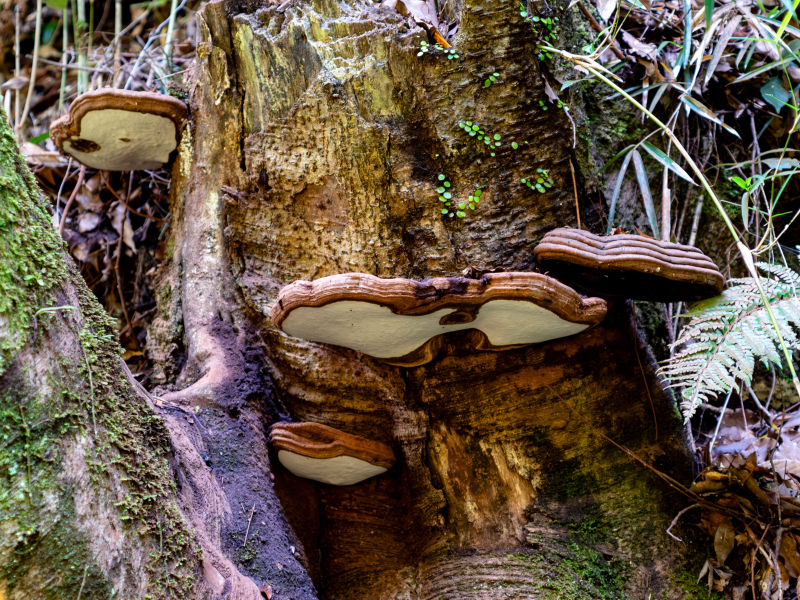
<description>&#160;スダジイの木にカンゾウタケが生えていました。シイなどのブナ科の樹木に生えるキノコのなかまです。和名は、色や形が肝臓に見えることに由来します。また、世界各地で見られるキノコで、フランスでは見た目から牛の舌と呼ばれているようです。


&#34;Kanzou-Take&#34; mushrooms are growing on a &#34;Sudajii&#34; tree. They typically grow on trees of the beech family, such as chinquapins. Their Japanese name, &#34;Kanzo&#34;, which means liver, comes from their liver-like appearance. These mushrooms are also found in Europe and North America. In French, they are called &#34;Langue de boeuf&#34;, which means &#8216;cow&#8217;s tongue&#8217;, a name that likewise refers to their shape.</description>
<dc:creator></dc:creator>
<dc:subject></dc:subject>
<dc:date>2026-05-08T17:30:00+09:00</dc:date>
<content:encoded><![CDATA[
<div id="cms-editor-minieditor-sin177832272455238300" class="cms-content-parts-sin177832272455246200"><p>&#160;スダジイの木にカンゾウタケが生えていました。シイなどのブナ科の樹木に生えるキノコのなかまです。和名は、色や形が肝臓に見えることに由来します。また、世界各地で見られるキノコで、フランスでは見た目から牛の舌と呼ばれているようです。</p>
<div></div>
<div><img src="https://fujiseishin-jh.ed.jp/images/field_diary2/2026/05/images20260509193158.jpg" width="448" height="336" alt="" /></div>
<div></div>
<div>&#34;Kanzou-Take&#34; mushrooms are growing on a &#34;Sudajii&#34; tree. They typically grow on trees of the beech family, such as chinquapins. Their Japanese name, &#34;Kanzo&#34;, which means liver, comes from their liver-like appearance. These mushrooms are also found in Europe and North America. In French, they are called &#34;Langue de boeuf&#34;, which means &#8216;cow&#8217;s tongue&#8217;, a name that likewise refers to their shape.</div></div>
]]></content:encoded>
</item>

<item rdf:about="https://www.fujiseishin-jh.ed.jp/field_diary/2026/05/25563/">
<title>ハナイバナ</title>
<link>https://www.fujiseishin-jh.ed.jp/field_diary/2026/05/25563/</link>
<description>&#160;駐車場の近くにハナイバナが咲いています。道端などによく見られるムラサキ科の一年草または越年草です。和名のハナイバナ（葉内花）は、葉と葉の間に花をつける様子に由来します。


&#34;Hanaibana&#34; plants are in bloom around the parking area. They are annual or winter annual plants in the Boraginaceae family that are commonly found growing along roadsides. The name comes from the way their flowers appear nestled between the leaves.</description>
<dc:creator></dc:creator>
<dc:subject></dc:subject>
<dc:date>2026-05-05T14:35:00+09:00</dc:date>
<content:encoded><![CDATA[
<div id="cms-editor-minieditor-sin177803144356985000" class="cms-content-parts-sin177803144356992900"><p>&#160;駐車場の近くにハナイバナが咲いています。道端などによく見られるムラサキ科の一年草または越年草です。和名のハナイバナ（葉内花）は、葉と葉の間に花をつける様子に由来します。</p>
<div></div>
<div><img src="https://fujiseishin-jh.ed.jp/images/field_diary2/2026/05/images20260506103713.jpg" width="448" height="336" alt="" /></div>
<div></div>
<div>&#34;Hanaibana&#34; plants are in bloom around the parking area. They are annual or winter annual plants in the Boraginaceae family that are commonly found growing along roadsides. The name comes from the way their flowers appear nestled between the leaves.</div></div>
]]></content:encoded>
</item>

<item rdf:about="https://www.fujiseishin-jh.ed.jp/field_diary/2026/05/25556/">
<title>オランダミミナグサ</title>
<link>https://www.fujiseishin-jh.ed.jp/field_diary/2026/05/25556/</link>
<description>中庭でオランダミミナグサが咲いています。道端などに生えるナデシコ科の越年草です。ヨーロッパ原産の帰化植物で、街中では在来種のミミナグサよりよく見かけます。


&#34;Oranda-Miminagusa&#34; plants are in bloom in the courtyard. They are winter annual plants in the Juncaceae family that are commonly found growing along roadsides. They originally come from Europe and are more often seen in urban areas than the native &#34;Miminagusa.&#34;</description>
<dc:creator></dc:creator>
<dc:subject></dc:subject>
<dc:date>2026-05-01T09:05:00+09:00</dc:date>
<content:encoded><![CDATA[
<div id="cms-editor-minieditor-sin177759405329073200" class="cms-content-parts-sin177759405329081200"><div>中庭でオランダミミナグサが咲いています。道端などに生えるナデシコ科の越年草です。ヨーロッパ原産の帰化植物で、街中では在来種のミミナグサよりよく見かけます。</div>
<div></div>
<div><img src="https://fujiseishin-jh.ed.jp/images/field_diary2/2026/05/images20260501090724.jpg" width="448" height="335" alt="" /></div>
<div></div>
<div>&#34;Oranda-Miminagusa&#34; plants are in bloom in the courtyard. They are winter annual plants in the Juncaceae family that are commonly found growing along roadsides. They originally come from Europe and are more often seen in urban areas than the native &#34;Miminagusa.&#34;</div></div>
]]></content:encoded>
</item>

<item rdf:about="https://www.fujiseishin-jh.ed.jp/field_diary/2026/04/25552/">
<title>イワニガナ</title>
<link>https://www.fujiseishin-jh.ed.jp/field_diary/2026/04/25552/</link>
<description>中庭でイワニガナが咲いています。あぜ道などに普通に見られるキク科の多年草です。別名をジシバリ（地縛り）ともいい、横にはう茎から根を下ろしながら広がっていくようすを表しています。


&#34;Iwa-Nigana&#34; plants are in bloom in the courtyard. They are perennial plants in the Asteraceae family that&#160; are commonly found growing along footpaths. They are also known as &#34;Jishibari&#34;, a name which comes from their habit of spreading out creeping stems that spread horizontally along the ground.</description>
<dc:creator></dc:creator>
<dc:subject></dc:subject>
<dc:date>2026-04-28T21:50:00+09:00</dc:date>
<content:encoded><![CDATA[
<div id="cms-editor-minieditor-sin177738069086204600" class="cms-content-parts-sin177738069086212800"><div>中庭でイワニガナが咲いています。あぜ道などに普通に見られるキク科の多年草です。別名をジシバリ（地縛り）ともいい、横にはう茎から根を下ろしながら広がっていくようすを表しています。</div>
<div></div>
<div><img src="https://fujiseishin-jh.ed.jp/images/field_diary2/2026/04/images20260428215120.jpg" width="448" height="336" alt="" /></div>
<div></div>
<div>&#34;Iwa-Nigana&#34; plants are in bloom in the courtyard. They are perennial plants in the Asteraceae family that&#160; are commonly found growing along footpaths. They are also known as &#34;Jishibari&#34;, a name which comes from their habit of spreading out creeping stems that spread horizontally along the ground.</div></div>
]]></content:encoded>
</item>

<item rdf:about="https://www.fujiseishin-jh.ed.jp/field_diary/2026/04/25550/">
<title>スズメノヤリ</title>
<link>https://www.fujiseishin-jh.ed.jp/field_diary/2026/04/25550/</link>
<description>&#160;本館前の築山でスズメノヤリが咲いています。道端などに生えるイグサ科の多年草です。和名は花の形が江戸時代の大名行列で用いられた毛槍（けやり）に似ていることに由来します。


&#34;Suzume-No-Yari&#34; plants are in bloom on the artificial hill. They are perennial plants in the Juncaceae family that are commonly found growing along roadsides. The name comes from the shape of the flowers, which resemble the &#34;Keyari&#34; and was used in daimyo&#039;s procession during the Edo era.</description>
<dc:creator></dc:creator>
<dc:subject></dc:subject>
<dc:date>2026-04-24T18:40:00+09:00</dc:date>
<content:encoded><![CDATA[
<div id="cms-editor-minieditor-sin177702378500129300" class="cms-content-parts-sin177702378500137500"><p>&#160;本館前の築山でスズメノヤリが咲いています。道端などに生えるイグサ科の多年草です。和名は花の形が江戸時代の大名行列で用いられた毛槍（けやり）に似ていることに由来します。</p>
<div></div>
<div><img src="https://fujiseishin-jh.ed.jp/images/field_diary2/2026/04/images20260424184227.jpg" width="448" height="335" alt="" /></div>
<div></div>
<div>&#34;Suzume-No-Yari&#34; plants are in bloom on the artificial hill. They are perennial plants in the Juncaceae family that are commonly found growing along roadsides. The name comes from the shape of the flowers, which resemble the &#34;Keyari&#34; and was used in daimyo's procession during the Edo era.</div></div>
]]></content:encoded>
</item>

<item rdf:about="https://www.fujiseishin-jh.ed.jp/field_diary/2026/04/25545/">
<title>アミガサタケ</title>
<link>https://www.fujiseishin-jh.ed.jp/field_diary/2026/04/25545/</link>
<description>&#160;竹林にアミガサタケが生えていました。春に発生する傘の網目模様が特徴的なキノコです。フランスではモリーユと呼ばれ、高級食材として有名です。


&#34;Amigasa-Take&#34; mushrooms are growing in the bamboo forest. They appear in spring, and their caps have a unique honeycomb-like pattern. They are known as &#34;morilles&#34; in France and are prized as a delicacy.</description>
<dc:creator></dc:creator>
<dc:subject></dc:subject>
<dc:date>2026-04-21T16:30:00+09:00</dc:date>
<content:encoded><![CDATA[
<div id="cms-editor-minieditor-sin177676755863645800" class="cms-content-parts-sin177676755863651700"><p>&#160;竹林にアミガサタケが生えていました。春に発生する傘の網目模様が特徴的なキノコです。フランスではモリーユと呼ばれ、高級食材として有名です。</p>
<div></div>
<div><img src="https://fujiseishin-jh.ed.jp/images/field_diary2/2026/04/images20260421193226.jpg" width="448" height="335" alt="" /></div>
<div></div>
<div>&#34;Amigasa-Take&#34; mushrooms are growing in the bamboo forest. They appear in spring, and their caps have a unique honeycomb-like pattern. They are known as &#34;morilles&#34; in France and are prized as a delicacy.</div></div>
]]></content:encoded>
</item>

<item rdf:about="https://www.fujiseishin-jh.ed.jp/field_diary/2026/04/25540/">
<title>コスミレ</title>
<link>https://www.fujiseishin-jh.ed.jp/field_diary/2026/04/25540/</link>
<description>竹林でコスミレが咲いていました。林縁などに見られるスミレ科の多年草です。スミレは多くの仲間がいますが、本種は人里周辺で比較的よく見られる種です。


&#34;Ko-Sumire&#34; plants are in bloom in the bamboo forest. They are perennial plants in the Violaceae family that typically grow along forest edges. There are many related species in this group, and this species commonly grows near human dwellings.</description>
<dc:creator></dc:creator>
<dc:subject></dc:subject>
<dc:date>2026-04-17T14:00:00+09:00</dc:date>
<content:encoded><![CDATA[
<div id="cms-editor-minieditor-sin177640215821539800" class="cms-content-parts-sin177640215821547900"><div>竹林でコスミレが咲いていました。林縁などに見られるスミレ科の多年草です。スミレは多くの仲間がいますが、本種は人里周辺で比較的よく見られる種です。</div>
<div></div>
<div><img src="https://fujiseishin-jh.ed.jp/images/field_diary2/2026/04/images20260417140229.jpg" width="448" height="336" alt="" /></div>
<div></div>
<div>&#34;Ko-Sumire&#34; plants are in bloom in the bamboo forest. They are perennial plants in the Violaceae family that typically grow along forest edges. There are many related species in this group, and this species commonly grows near human dwellings.</div></div>
]]></content:encoded>
</item>

<item rdf:about="https://www.fujiseishin-jh.ed.jp/field_diary/2026/04/25539/">
<title>アケビ</title>
<link>https://www.fujiseishin-jh.ed.jp/field_diary/2026/04/25539/</link>
<description>校舎前の植え込みでアケビの花が咲いていました。林縁などに生えるアケビ科のつる性の木本です。花は薄い紫色で、大きめの雌花（写真左）と小さめの雄花（写真右）に分かれています。秋になる実は食用になります。 &#34;Akebi&#34; trees are in bloom in the bush in front of the school building. They are woody vines in the Lardizabalaceae family that typically grow along forest edges. Their flowers are pale purple, and they are divided into female and male flowers. (The female flowers are on the left in the photo, and the male flowers are on the right.)</description>
<dc:creator></dc:creator>
<dc:subject></dc:subject>
<dc:date>2026-04-14T20:25:00+09:00</dc:date>
<content:encoded><![CDATA[
<div id="cms-editor-minieditor-sin177616607532747200" class="cms-content-parts-sin177616607532750900"><div>校舎前の植え込みでアケビの花が咲いていました。林縁などに生えるアケビ科のつる性の木本です。花は薄い紫色で、大きめの雌花（写真左）と小さめの雄花（写真右）に分かれています。秋になる実は食用になります。</div> <div></div> <div><img src="https://fujiseishin-jh.ed.jp/images/field_diary2/2026/04/images20260414202625.jpg" width="448" height="336" alt="" /><br /><br /><img src="https://fujiseishin-jh.ed.jp/images/field_diary2/2026/04/images20260414202706.jpg" width="448" height="336" alt="" /></div> <div></div> <div>&#34;Akebi&#34; trees are in bloom in the bush in front of the school building. They are woody vines in the Lardizabalaceae family that typically grow along forest edges. Their flowers are pale purple, and they are divided into female and male flowers. (The female flowers are on the left in the photo, and the male flowers are on the right.)</div></div>
]]></content:encoded>
</item>

<item rdf:about="https://www.fujiseishin-jh.ed.jp/field_diary/2026/04/25536/">
<title>ツバキキンカクチャワンタケ</title>
<link>https://www.fujiseishin-jh.ed.jp/field_diary/2026/04/25536/</link>
<description>&#160;ツバキの木の根元にツバキキンカクチャワンタケが発生していました。春にツバキの花が咲くころ発生するキノコの仲間です。胞子は近くに落ちたツバキの花の上で発芽し、花を分解して生長します。その後、菌核を作り冬を越して、翌春のツバキの花が咲くころにまたキノコを作ります。


&#34;Tsubaki-Kinkaku-Chawantake&#34; mushrooms are growing beneath &#34;Tsubaki&#34; trees. They are fungi that appear when &#34;Tsubaki&#34; trees are in bloom. Their spores sprout on the &#34;Tsubaki&#34; flowers that have fallen nearby and grow, digesting the flowers. After that, they survive in winter as sclerotia and produce mushrooms again in the following spring when &#34;Tsubaki&#34; trees begin to bloom.</description>
<dc:creator></dc:creator>
<dc:subject></dc:subject>
<dc:date>2026-04-10T17:45:00+09:00</dc:date>
<content:encoded><![CDATA[
<div id="cms-editor-minieditor-sin177581799551618800" class="cms-content-parts-sin177581799551626800"><p>&#160;ツバキの木の根元にツバキキンカクチャワンタケが発生していました。春にツバキの花が咲くころ発生するキノコの仲間です。胞子は近くに落ちたツバキの花の上で発芽し、花を分解して生長します。その後、菌核を作り冬を越して、翌春のツバキの花が咲くころにまたキノコを作ります。</p>
<div></div>
<div><img src="https://fujiseishin-jh.ed.jp/images/field_diary2/2026/04/images20260410194625.jpg" width="448" height="336" alt="" /></div>
<div></div>
<div>&#34;Tsubaki-Kinkaku-Chawantake&#34; mushrooms are growing beneath &#34;Tsubaki&#34; trees. They are fungi that appear when &#34;Tsubaki&#34; trees are in bloom. Their spores sprout on the &#34;Tsubaki&#34; flowers that have fallen nearby and grow, digesting the flowers. After that, they survive in winter as sclerotia and produce mushrooms again in the following spring when &#34;Tsubaki&#34; trees begin to bloom.</div></div>
]]></content:encoded>
</item>

<item rdf:about="https://www.fujiseishin-jh.ed.jp/field_diary/2026/04/25529/">
<title>ヒトクチタケ</title>
<link>https://www.fujiseishin-jh.ed.jp/field_diary/2026/04/25529/</link>
<description>クヌギ林のアカマツの木からヒトクチタケが生えていました。ハマグリのような形をしたキノコの一種です。枯れ始めたアカマツにいち早く発生するキノコと言われています。


&#34;Hitokuchi-Take&#34; mushrooms are growing on a Japanese red pine tree in the Japanese chestnut oak woodland. They are clam-shaped fungi. This species is known to grow on Japanese red pine trees once it begins to die.</description>
<dc:creator></dc:creator>
<dc:subject></dc:subject>
<dc:date>2026-04-07T17:35:00+09:00</dc:date>
<content:encoded><![CDATA[
<div id="cms-editor-minieditor-sin177555480079636700" class="cms-content-parts-sin177555480079644900"><div>クヌギ林のアカマツの木からヒトクチタケが生えていました。ハマグリのような形をしたキノコの一種です。枯れ始めたアカマツにいち早く発生するキノコと言われています。</div>
<div></div>
<div><img src="https://fujiseishin-jh.ed.jp/images/field_diary2/2026/04/images20260407183952.jpg" width="448" height="336" alt="" /></div>
<div></div>
<div>&#34;Hitokuchi-Take&#34; mushrooms are growing on a Japanese red pine tree in the Japanese chestnut oak woodland. They are clam-shaped fungi. This species is known to grow on Japanese red pine trees once it begins to die.</div></div>
]]></content:encoded>
</item>

<item rdf:about="https://www.fujiseishin-jh.ed.jp/field_diary/2026/04/25526/">
<title>ミツバツチグリ</title>
<link>https://www.fujiseishin-jh.ed.jp/field_diary/2026/04/25526/</link>
<description>ススキ野原でミツバツチグリが咲いています。明るい草地に生えるバラ科の多年草です。和名は小葉が３個で、根茎（こんけい、地下にある茎）が肥大することに由来します。


&#34;Mitsuba-Tsuchiguri&#34; plants are in bloom in the Japanese pampas grass field. They are perennial plants in the Rosaceae family that grow on sunny grass fields. Their name comes from the fact that their leaves consist of three leaflets and they have swollen underground stems.</description>
<dc:creator></dc:creator>
<dc:subject></dc:subject>
<dc:date>2026-04-03T16:30:00+09:00</dc:date>
<content:encoded><![CDATA[
<div id="cms-editor-minieditor-sin177520872756796200" class="cms-content-parts-sin177520872756803400"><div>ススキ野原でミツバツチグリが咲いています。明るい草地に生えるバラ科の多年草です。和名は小葉が３個で、根茎（こんけい、地下にある茎）が肥大することに由来します。</div>
<div></div>
<div><img src="https://fujiseishin-jh.ed.jp/images/field_diary2/2026/04/images20260403183143.jpg" width="448" height="335" alt="" /></div>
<div></div>
<div>&#34;Mitsuba-Tsuchiguri&#34; plants are in bloom in the Japanese pampas grass field. They are perennial plants in the Rosaceae family that grow on sunny grass fields. Their name comes from the fact that their leaves consist of three leaflets and they have swollen underground stems.</div></div>
]]></content:encoded>
</item>

<item rdf:about="https://www.fujiseishin-jh.ed.jp/field_diary/2026/03/25522/">
<title>ツルニチニチソウ</title>
<link>https://www.fujiseishin-jh.ed.jp/field_diary/2026/03/25522/</link>
<description>
&#160;校庭のわきでツルニチニチソウが咲いています。キョウチクトウ科のつる性植物で、南ヨーロッパから北アフリカ原産の帰化植物です。栽培されていたものが逸出し、各地で野生化しています。


&#34;Tsuru-Nichinichi-Sou&#34; plants are in bloom by the schoolyard. They are vine-like plants in the Apocynaceae family that are originally native to regions between Southern Europe and North Africa. Cultivated varieties have escaped into the wild and are now found in various parts of Japan.
</description>
<dc:creator></dc:creator>
<dc:subject></dc:subject>
<dc:date>2026-03-31T17:40:00+09:00</dc:date>
<content:encoded><![CDATA[
<div id="cms-editor-minieditor-sin177496085882652700" class="cms-content-parts-sin177496085882662300">
<p>&#160;校庭のわきでツルニチニチソウが咲いています。キョウチクトウ科のつる性植物で、南ヨーロッパから北アフリカ原産の帰化植物です。栽培されていたものが逸出し、各地で野生化しています。<br />
<br />
<img src="https://fujiseishin-jh.ed.jp/images/field_diary2/2026/03/images20260331214049.jpg" width="448" height="335" alt="" /></p>
<p>&#34;Tsuru-Nichinichi-Sou&#34; plants are in bloom by the schoolyard. They are vine-like plants in the Apocynaceae family that are originally native to regions between Southern Europe and North Africa. Cultivated varieties have escaped into the wild and are now found in various parts of Japan.</p>
</div>
]]></content:encoded>
</item>

<item rdf:about="https://www.fujiseishin-jh.ed.jp/field_diary/2026/03/25521/">
<title>アラゲキクラゲ</title>
<link>https://www.fujiseishin-jh.ed.jp/field_diary/2026/03/25521/</link>
<description>&#160;「共生の森」でアラゲキクラゲが発生していました。広葉樹に生えるキノコの一種です。キクラゲと似ていますが、表面に白い毛が生えています。キクラゲとして売られているものの多くはアラゲキクラゲと言われています。


&#34;Arage-Kikurage&#34; mushrooms are growing in the &#34;Kyosei-Forest (共生の森).&#34; They are a type of fungus that grows on hardwood trees. This species resembles its relative called &#34;Kikurage,&#34; but is distinguished by fine white hairs on its surface. In fact, many mashrooms sold as &#34;Kikurage&#34; are actually this variety, &#34;Arage-Kikurage&#34;.</description>
<dc:creator></dc:creator>
<dc:subject></dc:subject>
<dc:date>2026-03-27T17:35:00+09:00</dc:date>
<content:encoded><![CDATA[
<div id="cms-editor-minieditor-sin177461875998839200" class="cms-content-parts-sin177461875998846300"><p>&#160;「共生の森」でアラゲキクラゲが発生していました。広葉樹に生えるキノコの一種です。キクラゲと似ていますが、表面に白い毛が生えています。キクラゲとして売られているものの多くはアラゲキクラゲと言われています。</p>
<div></div>
<div><img src="https://fujiseishin-jh.ed.jp/images/field_diary2/2026/03/images20260327223913.jpg" width="448" height="336" alt="" /></div>
<div></div>
<div>&#34;Arage-Kikurage&#34; mushrooms are growing in the &#34;Kyosei-Forest (共生の森).&#34; They are a type of fungus that grows on hardwood trees. This species resembles its relative called &#34;Kikurage,&#34; but is distinguished by fine white hairs on its surface. In fact, many mashrooms sold as &#34;Kikurage&#34; are actually this variety, &#34;Arage-Kikurage&#34;.</div></div>
]]></content:encoded>
</item>

<item rdf:about="https://www.fujiseishin-jh.ed.jp/field_diary/2026/03/25518/">
<title>ジャゴケ</title>
<link>https://www.fujiseishin-jh.ed.jp/field_diary/2026/03/25518/</link>
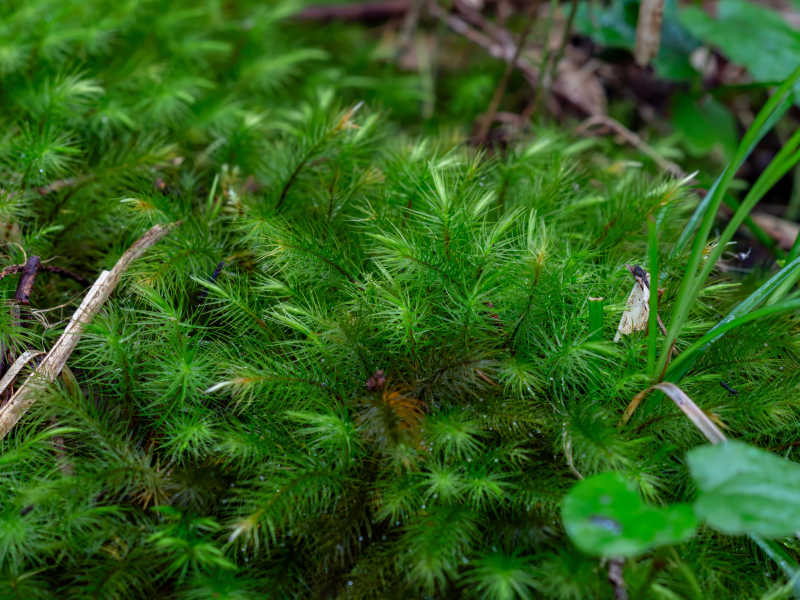
<description>&#160;ジャゴケの雌器托（しきたく）が伸びています。湿った地面に生えるコケ植物です。キノコのように見えるものが、雌器托で、傘の裏側の黒い部分に胞子が入っています。和名は、表面にヘビのウロコのような模様があることに由来します。

&#160;

The female receptacles of the liverwort &#34;Jagoke&#34; are now growing. This species grows on moist soil. The mushroom-like structures seen in the photo are the female receptacles, and the black parts on the underside of the cap contain spores. The plant gets its name from the pattern on its surface, which resembles snake scales.</description>
<dc:creator></dc:creator>
<dc:subject></dc:subject>
<dc:date>2026-03-24T19:55:00+09:00</dc:date>
<content:encoded><![CDATA[
<div id="cms-editor-minieditor-sin177434987394410900" class="cms-content-parts-sin177434987394418800"><p>&#160;ジャゴケの雌器托（しきたく）が伸びています。湿った地面に生えるコケ植物です。キノコのように見えるものが、雌器托で、傘の裏側の黒い部分に胞子が入っています。和名は、表面にヘビのウロコのような模様があることに由来します。</p>
<div></div>
<div><img src="https://fujiseishin-jh.ed.jp/images/field_diary2/2026/03/images20260324195717.jpg" width="448" height="335" alt="" />&#160;<img src="https://fujiseishin-jh.ed.jp/images/field_diary2/2026/03/images20260324195746.jpg" width="448" height="336" alt="" /></div>
<div></div>
<div>The female receptacles of the liverwort &#34;Jagoke&#34; are now growing. This species grows on moist soil. The mushroom-like structures seen in the photo are the female receptacles, and the black parts on the underside of the cap contain spores. The plant gets its name from the pattern on its surface, which resembles snake scales.</div></div>
]]></content:encoded>
</item>

<item rdf:about="https://www.fujiseishin-jh.ed.jp/field_diary/2026/03/25514/">
<title>スズメノカタビラ</title>
<link>https://www.fujiseishin-jh.ed.jp/field_diary/2026/03/25514/</link>
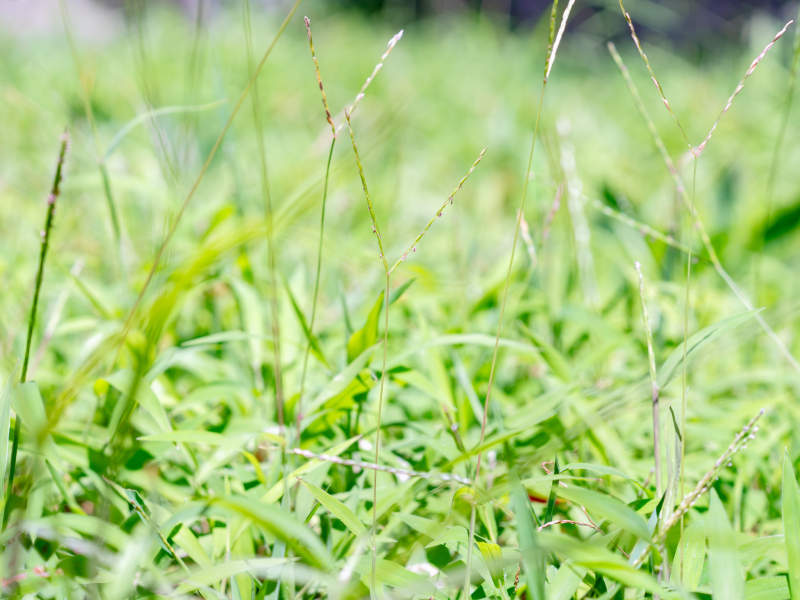
<description>&#160;お茶畑の周りでスズメノカタビラが咲いています。道端や芝生に混じって生えるイネ科の一年草です。和名の「スズメ」は全体が小さいことを示し、「カタビラ」は薄い着物のことで、花の形が着物の合わせの部分に似ていることに由来します。


&#34;Suzume-No-Katabira&#34; plants are in bloom by the tea garden. They are annual grasses in the
Poaceae family that grow along roadsides and among other grasses. The name &#34;Suzume&#34; (sparrow) refers to their small size, while &#34;Katabira&#34;, which means a thin kimono, comes from the way their flowers resemble overlapping kimono collars.</description>
<dc:creator></dc:creator>
<dc:subject></dc:subject>
<dc:date>2026-03-20T21:45:00+09:00</dc:date>
<content:encoded><![CDATA[
<div id="cms-editor-minieditor-sin177401091800980400" class="cms-content-parts-sin177401091800988400"><p>&#160;お茶畑の周りでスズメノカタビラが咲いています。道端や芝生に混じって生えるイネ科の一年草です。和名の「スズメ」は全体が小さいことを示し、「カタビラ」は薄い着物のことで、花の形が着物の合わせの部分に似ていることに由来します。</p>
<div></div>
<div><img src="https://fujiseishin-jh.ed.jp/images/field_diary2/2026/03/images20260320214830.jpg" width="448" height="336" alt="" /></div>
<div></div>
<div>&#34;Suzume-No-Katabira&#34; plants are in bloom by the tea garden. They are annual grasses in the</div>
<div>Poaceae family that grow along roadsides and among other grasses. The name &#34;Suzume&#34; (sparrow) refers to their small size, while &#34;Katabira&#34;, which means a thin kimono, comes from the way their flowers resemble overlapping kimono collars.</div></div>
]]></content:encoded>
</item>

<item rdf:about="https://www.fujiseishin-jh.ed.jp/field_diary/2026/03/25510/">
<title>ヒメオドリコソウ</title>
<link>https://www.fujiseishin-jh.ed.jp/field_diary/2026/03/25510/</link>
<description>&#160;お茶畑のわきでヒメオドリコソウが咲いています。ヨーロッパ原産のシソ科の越年草です。ほぼ全国に分布し、北アメリカや東アジアにも帰化しています。 &#34;Hime-Odorikosou&#34; plants are in bloom by the tea garden. They are winter annual plants in the Lamiaceae family that originally came from Europe. Today they can be found almost everywhere in Japan and have also become naturalized in many parts of Europe and East Asia.</description>
<dc:creator></dc:creator>
<dc:subject></dc:subject>
<dc:date>2026-03-17T21:25:00+09:00</dc:date>
<content:encoded><![CDATA[
<div id="cms-editor-minieditor-sin177375039101423400" class="cms-content-parts-sin177375039101433600"><p>&#160;お茶畑のわきでヒメオドリコソウが咲いています。ヨーロッパ原産のシソ科の越年草です。ほぼ全国に分布し、北アメリカや東アジアにも帰化しています。<br /> <img src="https://fujiseishin-jh.ed.jp/images/field_diary2/2026/03/images20260317212623.jpg" width="448" height="335" alt="" /></p><p>&#34;Hime-Odorikosou&#34; plants are in bloom by the tea garden. They are winter annual plants in the Lamiaceae family that originally came from Europe. Today they can be found almost everywhere in Japan and have also become naturalized in many parts of Europe and East Asia.</p></div>
]]></content:encoded>
</item>

</rdf:RDF>