フィールド日記

2026年10月
2026.10.20
ナンバンギセル
ススキ野原でナンバンギセルが咲いています。ハマウツボ科の一年草です。光合成を行うかわりに、地下の根を通して他の植物から栄養をうばって生きている寄生植物です。特にススキによく寄生しているようです。
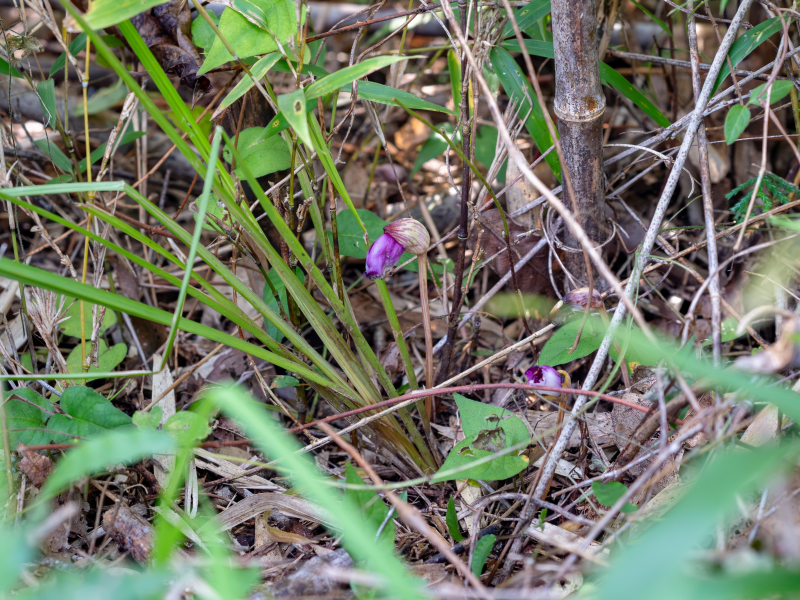
"Nanbangiseru" plants are in bloom in the Japanese pampas grass field. They are annual plants in the Orobanchaceae family. Rather than producing their own nutrients through photosynthesis, they obtain nutrients from other plants through their roots. They are especially parasitic on Japanese pampas grass.
2026.10.16
コブナグサ
キャンプ場の近くでコブナグサが咲いています。湿った草地などに生えるイネ科の一年草です。和名は葉の形が魚のフナに似ていることに由来します。
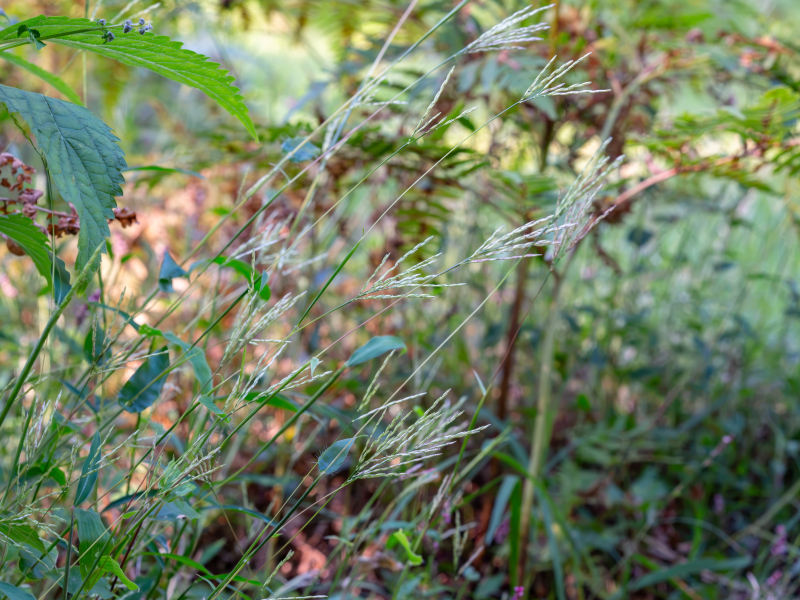
"Kobunagusa" plants are in bloom near the campsite. They are annual plants in the Poaceae family that are typically found in wet grasslands. Their Japanese name comes from the resemblance of their leaves to the shape of a freshwater fish called "Funa" (crucian carp).
2026.10.13
ポポー
お茶畑でポポーの実がなっていました。北アメリカ原産のバンレイシ科の落葉樹です。果実は食用になり、自然に落下したものからは、甘い香りがしていました。
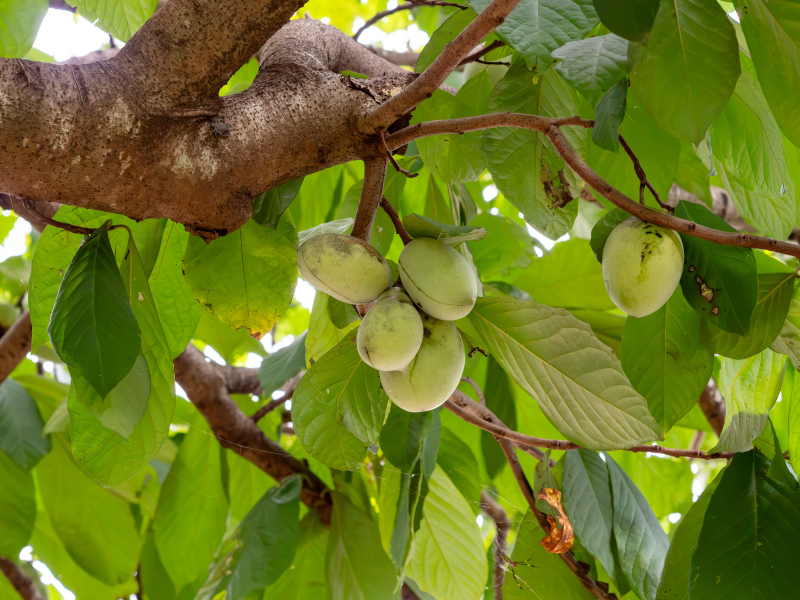
A "Popō" (pawpaw) tree is bearing fruit in the tea garden. It is a deciduous tree in the Annonaceae family that is native to North America. Its fruit is edible, and the fruits that had fallen naturally from the tree gave off a sweet fragrance.
2026.10.09
トダシバ
校舎裏の道端にトダシバが咲いています。日当たりのよい草原などによく見られるイネ科の多年草です。和名は現在の埼玉県戸田市の荒川周辺に広がっていた戸田ヶ原に多く生えていたことに由来します。
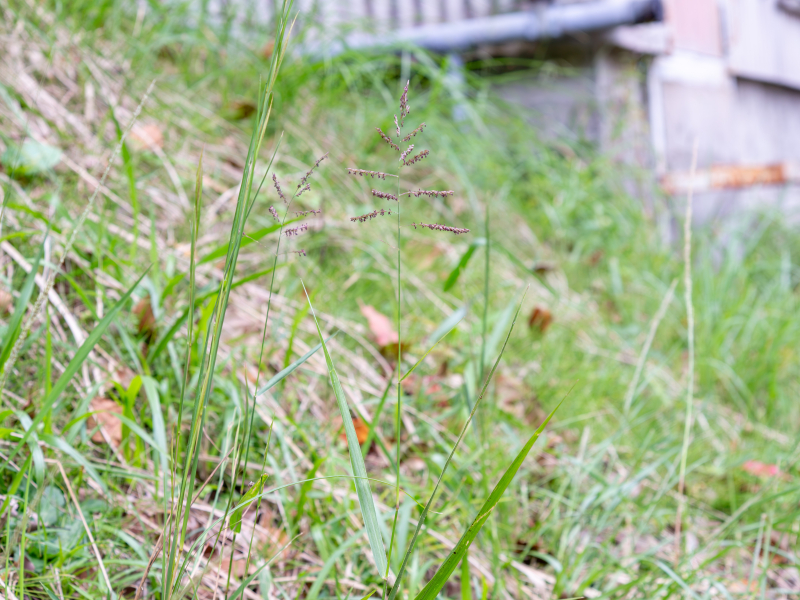
"Toda-Shiba" plants are in bloom along the roadside behind the school building. They are perennial plants in the Poaceae family that are commonly found in sunny grasslands. Their Japanese name comes from "Toda-gahara", an area along the Arakawa River in present-day Toda city, Saitama prefecture, where these plants once grew abundantly.
2026.10.06
ツルニンジン
校舎の裏でツルニンジンが咲いています。林縁などに見られるキキョウ科の多年草です。和名は、根が太く、高麗人参に似ていることに由来します。
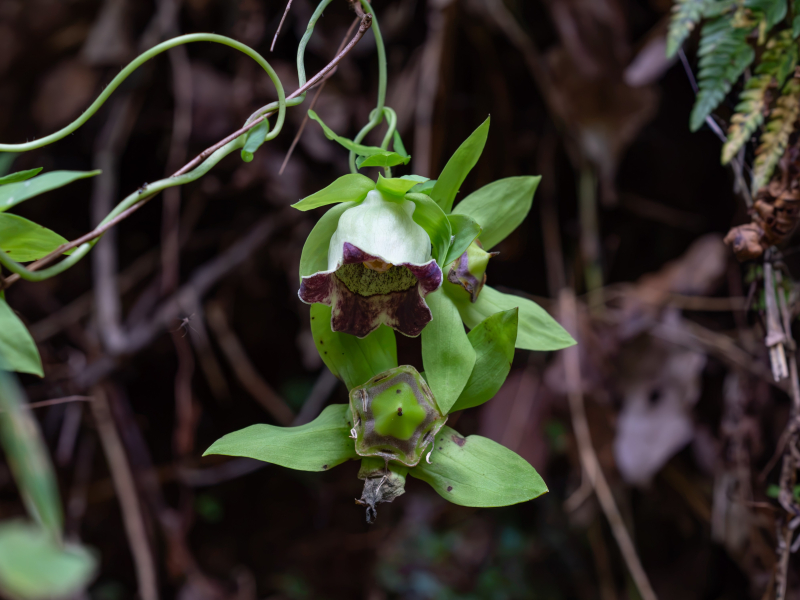
"Tsuru-Ninjin" plants are in bloom behind the school building. They are perennial plants in the Campanulaceae family and are commonly found along forest edges. Their Japanese name comes from their thick roots, which resemble those of Asian ginseng (Kourai-Ninjin).
2026.10.02
ハイヌメリグサ
校舎前の植え込みでハイヌメリグサが咲いています。日当たりのよい湿地に生えるイネ科の一年草です。和名は茎の基部が地面をはって広がり、葉をもむとぬめり気がでることに由来します。
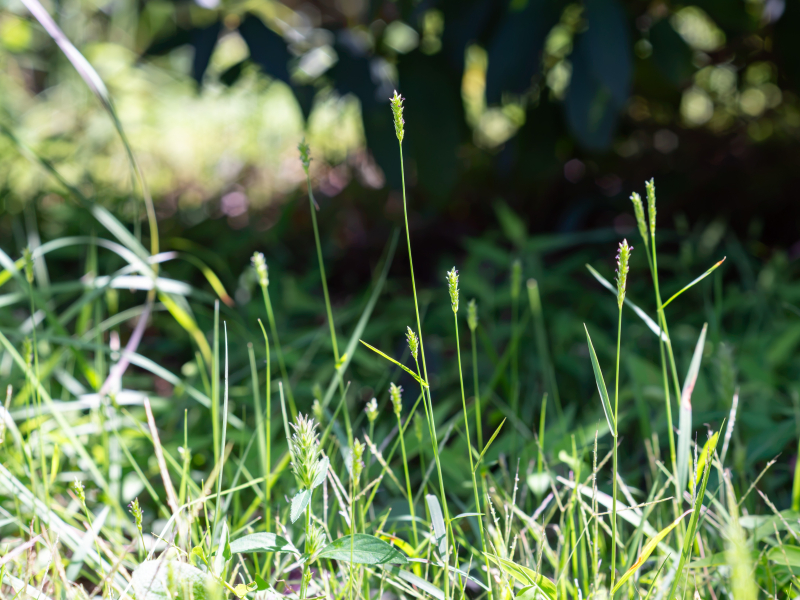
"Hai-Numerigusa" plants are in bloom in the shrubbery in front of the school building. They are annual plants in the Poaceae family that are typically found in sunny, wet areas. Their Japanese name comes from two characteristics: the base of their stems creep along the ground, and their leaves become slimy when rubbed.
- 1 / 1